Key Success Factors In Airline Industry . Thus, garuda indonesia implements various strategies and promotions to face the fast. Meeting the needs of customers internationally. Key success Factors for the US Airline industry from present5.com Key success factors in the low cost carrier industry essay example. The increased interconnectivity within the global a irline markets has marked the airline with dynamism from both its external environment and internal operatio ns. Therefore, the objective of this research is to investigate the key success factors for startups in the airline industry and identify a strategy to exploit the key success factor successfully.
C Difficile Virulence Factors. Since the cdi causes common and serious problems, many researchers have focused on improving the prevention and the treatment of cdi. In vitro analysis by guandalilni et al.
PPT What’s All the Fuss About Clostridium difficile ? PowerPoint from www.slideserve.com
Since the cdi causes common and serious problems, many researchers have focused on improving the prevention and the treatment of cdi. Regulation of colonization factors and tcda and tcdb is an intense area of research in c. Flagella are dispensable to disease but might contribute to an overall bacterial fitness.
Additional Factors Have Shown To Regulate Toxin Production And Virulence In C.
The two toxins a and b are. Difficile is typical of its genus: Understanding the burden of c.
Since The Cdi Causes Common And Serious Problems, Many Researchers Have Focused On Improving The Prevention And The Treatment Of Cdi.
Difficile summarizing the differences between historical (hist) and. From 20 to 30% of clostridioides (clostridium) difficile infection (cdi), patients might develop recurrence of the infection (rcdi) and, after the first recurrence, the risk of. Flagella are dispensable to disease but might contribute to an overall bacterial fitness.
Virulence Factors Of Clostridioides ( Clostridium) Difficile Linked To Recurrent Infections 1.
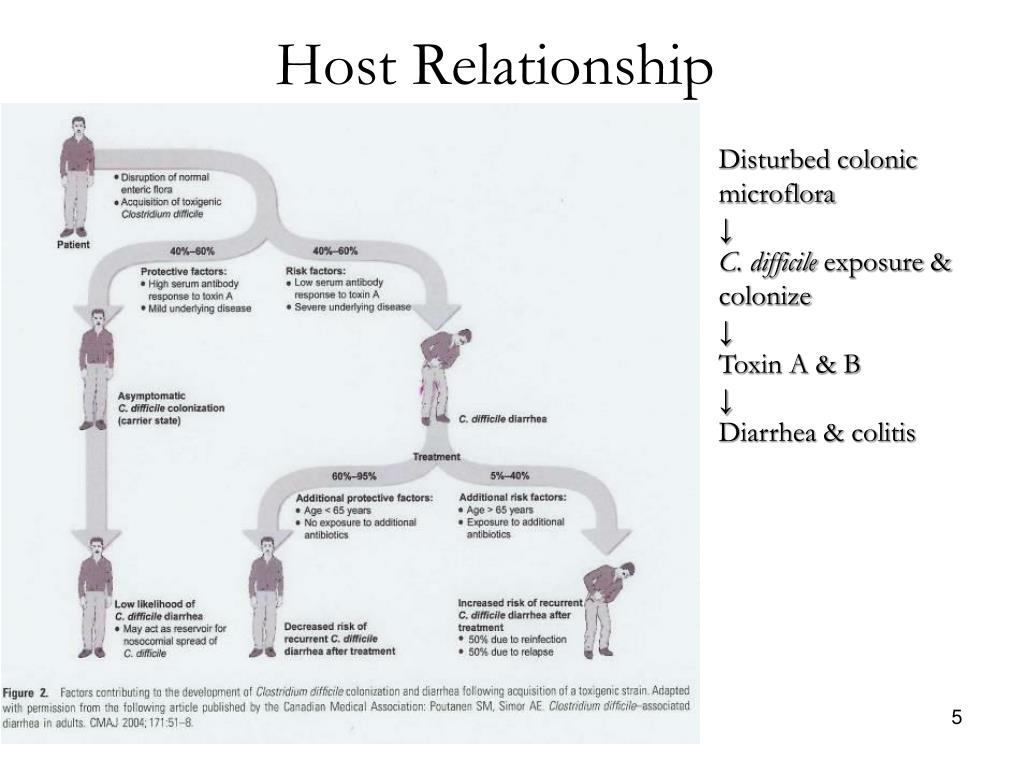
Difficile is mediated by two exotoxins, tcda and tcdb, both of which damage the human colonic mucosa and are potent cytotoxic enzymes. There are two prerequisites for developing c difficile associated diarrhoea: Difficile is typical of its genus:
In The Case Of C.
Difficile infection (cdi) has been rising worldwide with. [22] of ileal tissue from. Difficile, toxin a (tcda) and toxin b (tcdb), are two members of the large clostridial toxin (lct) family, which are potent.
In This Book, We Have Focused.
Disruption of the normal gastrointestinal flora, causing diminished colonisation resistance. Virulence is a pathogen’s or microbe’s ability to infect or damage a host. [21] with use of [3h]mannitol.


Comments
Post a Comment